Lectura aproximada: 7 min · Actualizado el 20 February 2025
Nowadays, la historia antigua sigue siendo un misterio para muchos, con numerosas civilizaciones y culturas perdidas en el tiempo. However, el trabajo del historiador egipcio Manethon ha sido fundamental en descubrir y revelar algunos de estos enigmas históricos. In this article, te presentamos siete datos impactantes sobre las civilizaciones ocultas que Manethon descubrió a lo largo de su carrera, mostrando la importancia de su trabajo en el campo de la arqueología y la historia. ¡Prepárate para sorprenderte con estos fascinantes hallazgos!
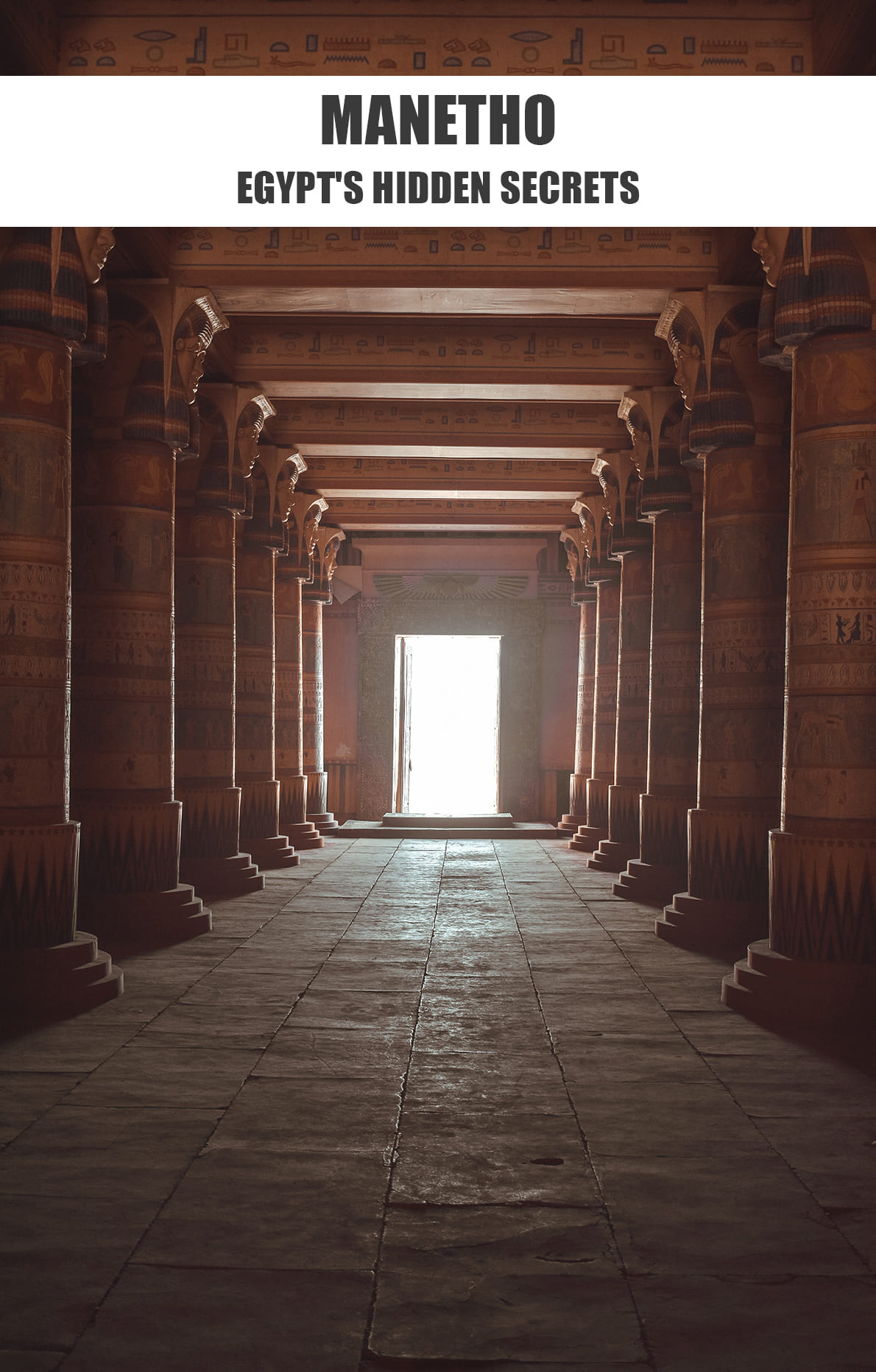
Manethon fue un sacerdote egipcio que vivió en el siglo III a.C. and is known for having discovered hidden civilizations in Egypt. His investigations revealed shocking data about the Egyptian civilization that have surprised historians and archaeologists to this day.
1. The Great Pyramid of Giza, built during the Fourth Dynasty, is one of the Seven Wonders of the Ancient World and remains an enigma for archaeology experts.
2. Hieroglyphic writing was the writing system used by the ancient Egyptians and has become an iconic symbol of Egyptian civilization.
3. Pharaoh Tutankhamun is one of the most famous pharaohs of Egypt due to the discovery of his virtually intact tomb in the Valley of the Kings.
4. Egyptian religion it was based on the belief in multiple gods and goddesses, such as Ra, Osiris and Isis, and had a strong component of worship of the dead and the afterlife.
5. The construction of the pyramids was a monumental achievement of Egyptian civilization, which demonstrated advanced architectural and mathematical knowledge.
6. Mummies were a central element in Egyptian religion and beliefs about life after death, and were considered a way to preserve the body for eternity.
7. The Great Sphinx of Giza, with its lion body and human face, is one of the most recognizable monuments of Egypt and has generated numerous theories and legends over the centuries.
Estos son solo algunos de los datos más fascinantes sobre la civilización egipcia que Manethon descubrió en sus investigaciones. Su legado sigue vivo en las investigaciones actuales sobre el antiguo Egipto y su influencia en la historia de la humanidad.
Manethon, un antiguo sacerdote egipcio, descubrió civilizaciones ocultas que revelan datos impactantes sobre los dioses egipcios. Next, We introduce you 7 datos sorprendentes:
These are just some of the fascinating facts that Manetho discovered about the Egyptian gods, revealing a mythology rich in symbolism and meaning.
Manethon, an ancient Egyptian historian, discovered hidden civilizations that revealed the incredible gastronomic scientific advances of the ancient civilization of Egypt. These advances have amazed many modern researchers and scientists. Here we present you 7 shocking data about Egyptian gastronomy:
Estos avances científicos gastronómicos de la antigua civilización de Egipto demuestran la sofisticación y el conocimiento que tenían los egipcios en el arte de la cocina y la alimentación. ¡Todo un legado que ha perdurado a lo largo de los siglos!
El antiguo Egipto es una de las civilizaciones más fascinantes de la historia, llena de misterios y secretos que han intrigado a investigadores y curiosos durante siglos. In this article, We introduce you 7 shocking facts sobre esta antigua civilización que te sorprenderán.
Manethon fue un sacerdote egipcio que vivió en el siglo III a.C. y que es conocido por ser el autor de la Aegyptiaca, una obra en la que recopiló la historia de Egipto desde tiempos antiguos. Se cree que Manethon descubrió hidden civilizations and revealed secrets that had been forgotten for centuries.
The pyramids of Egypt are one of the most emblematic monuments of this civilization. They were built as tombs for the pharaohs and are believed to have been constructed by thousands of workers over decades. The precision and magnitude of these constructions remain a mystery to archaeologists.
The Great Sphinx of Giza is another of the wonders of ancient Egypt. Although it is believed to have been built during the reign of Pharaoh Khafre, its purpose and meaning remain the subject of debate among experts.
The ancient Egyptians developed a unique writing system known as hieroglyphs. These symbols were used to write religious texts, historical and administrative, and its decipherment has been fundamental to understanding the history of this civilization.
Religion played a central role in the life of the ancient Egyptians. They believed in multiple gods and goddesses, and performed rituals and ceremonies to honor their deities. Belief in life after death was also an important aspect of their faith.
The Egyptians practiced mummification as part of their funerary rituals. They believed that preserving the body was essential to ensure eternal life in the afterlife. Mummified bodies were placed in tombs along with objects and food for the journey to the other world.
El antiguo Egipto ha dejado un legado duradero en la historia de la humanidad. Sus avances en arquitectura, arte, ciencia y religión han influido en civilizaciones posteriores y continúan fascinando a las personas de todo el mundo.
Sus secretos y misterios nos invitan a explorar y descubrir más sobre esta increíble cultura.
Manethon, the famous Egyptian historian, fue conocido por descubrir civilizaciones ocultas que han dejado a la humanidad perpleja. Sus hallazgos revelaron secretos antiguos y desconocidos, que han impactado profundamente en la forma en que entendemos la historia y el desarrollo de las civilizaciones en todo el mundo. Sus investigaciones han sido clave para desentrañar misterios milenarios y han abierto nuevas puertas para explorar el pasado de la humanidad. No doubt, Manetho is a fundamental figure in the world of archaeology and history, whose legacy will endure for generations.

Magia Negra · Magia Ritual · Voodoo
1,99 €el juego del calamar · Squid Game
1,99 €Dr Strange · Marvel · Superhéroes
1,99 €Avatar · Avatar 2 · Na'vi
1,99 €Animales fantásticos · Guía de Magia · Magia
1,99 €Apagón eléctrico · Supervivencia
1,99 €